
Category: Our Work
-

Legacy Post: How We Work (Mar 2017)
Maintaining the high quality of our work is our top priority. That’s why it’s important that our office environment promotes efficiency and qualitative communication here at Hill Engineering. From a project’s inception until its close, we strive to keep a workflow that handles our customer’s needs with consistent attention and care. At the moment a…
-

Legacy Post: Cold expansion (Feb 2017)
Fatigue is one important failure mode that guides the design and engineering of aircraft structure. As we have discussed previously aircraft are often manufactured using rivets and fasteners, which require drilling many holes in the structure during assembly. The holes act as stress concentrations, which tend to be locations where fatigue cracks are found. Compressive…
-
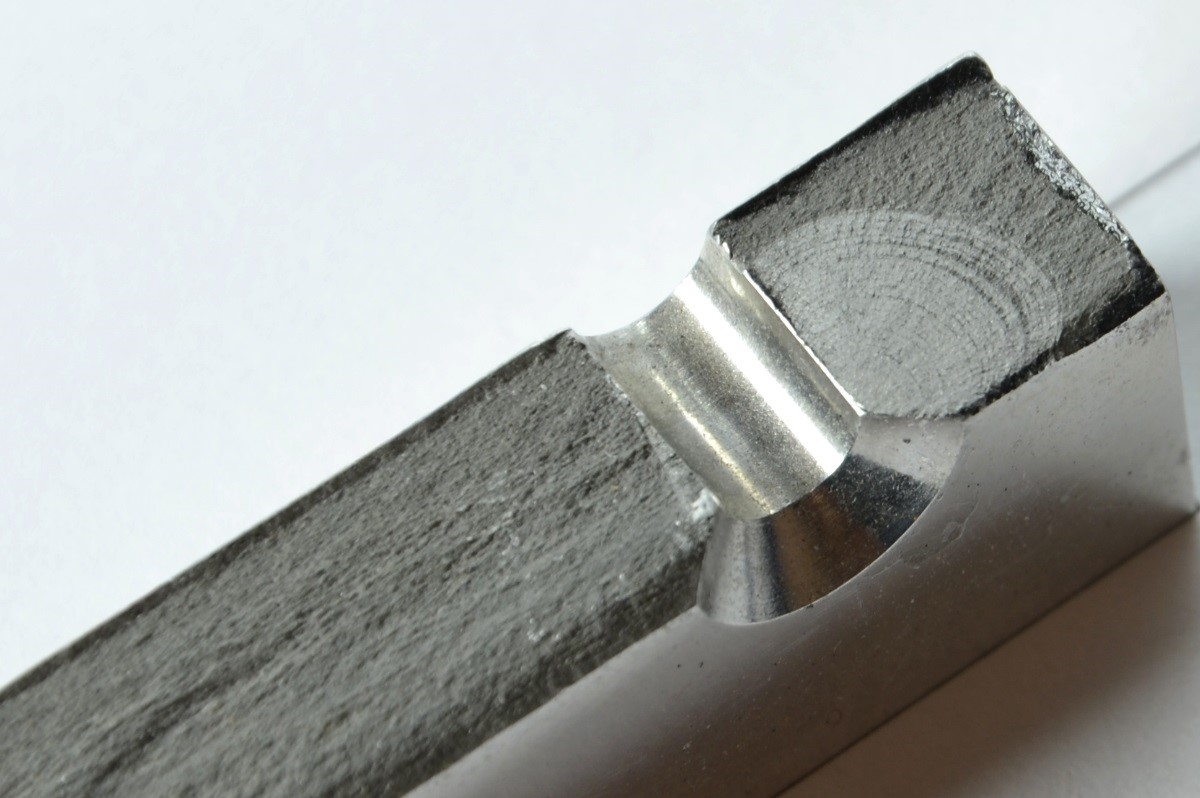
Legacy Post: Fracture surfaces evaluation
Aircraft undergo complex loading during their operation and lifecycle. For example, take off, landing, turbulence, and flight/ground maneuvers are all instances where significant loading occurs. The cyclic loading and unloading activates a failure mechanism called fatigue, which is most prevalent at the highest stressed regions. Many aircraft are assembled using riveted construction, whereby small holes…
-
Legacy Post: Failure analysis of high strength nuts (Jan 2017)
Fracture and fatigue are important material performance issues that Hill Engineering examines on a regular basis. Hill Engineering recently contributed to a publication titled “Investigating and interpreting failure analysis of high strength nuts made from nickel-base superalloy.” The publication includes a detailed review of work performed to understand the failure of these fracture critical nuts.…
-
Legacy Post: ASIP Conference 2016 (Nov 2016)
Hill Engineering is presenting about fatigue analysis methods for cold expanded aircraft fastener holes at the upcoming 2016 Aircraft Structural Integrity Program (ASIP) Conference in San Antonio, TX. Cold hole expansion is a method commonly used to induce compressive residual stress around the perimeter of fastener holes, which are common in aircraft structure. The compressive…
-
Legacy Post: Residual stress analysis (Oct 2016)
Material fabrication processes like forging, rolling, extrusion, quenching, additive manufacturing, machining, and welding lock spatially varying residual stress fields into structural materials. These residual stresses can influence the way that materials perform (e.g., fatigue, fracture, distortion, and corrosion). Hill Engineering has developed expertise to support many different types of residual stress analysis, which we apply…
-
Legacy Post: AFGROW User Workshop (Sep 2016)
Hill Engineering is presenting about fatigue analysis as part of the AFGROW User Workshop 2016 in Layton, UT. The objective of the workshop is to provide a forum for AFGROW users to exchange information and ideas related to fracture and fatigue. Hill Engineering’s presentation will include a summary of recent work on the formulation and…
-
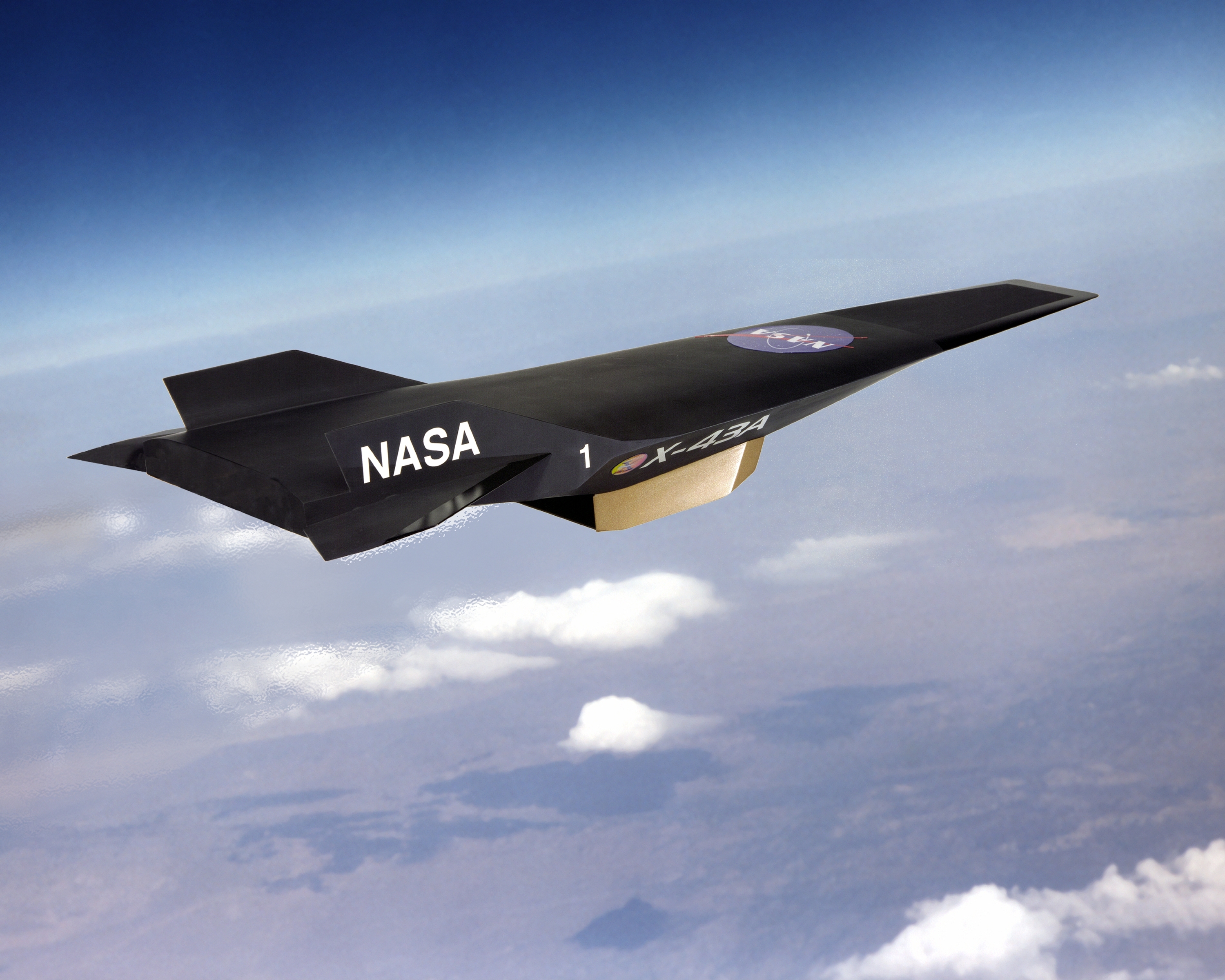
Legacy Post: We Love Planes! (July 2016)
The dawn of the airplane changed the way we humans viewed the world. In a relatively short amount of time, travel across oceans was reduced from a month or more onboard a sea vessel to a few hours in the air. Getting from one side of the country to the other no longer meant spending…