-
Hill Engineering is pleased to highlight another featured chapter in the ASM Residual Stress reference, written by our very own Michael Hill, that provides an in-depth look at the Slitting Method for residual stress measurement. The Slitting Method is a powerful technique for determining one-dimensional residual stress as a function of depth through a material.…
-

We’ve previously talked about fracture surfaces created as a result of material fatigue. Through fatigue tests, we are able to create a typical loading cycle on a test specimen to see how the number and magnitude of cycles affects the growth of cracks. After the test, we can analyze the fracture surface to see how…
-
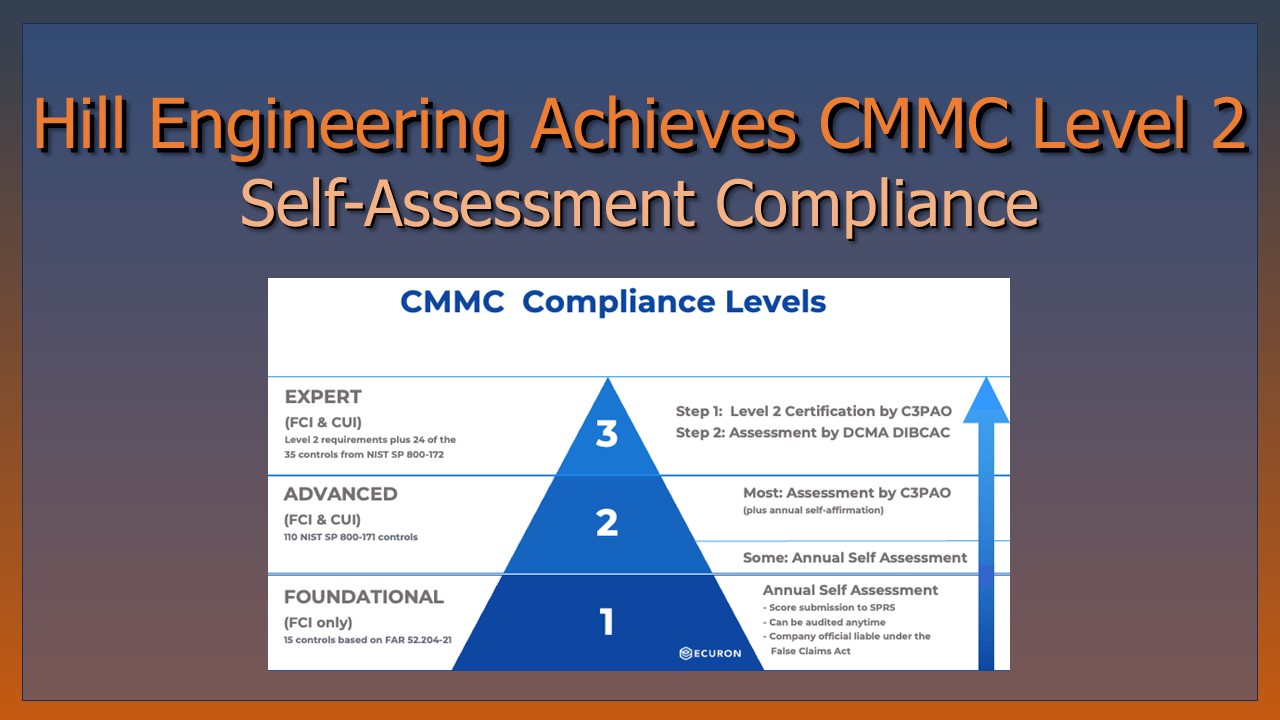
Hill Engineering is proud to announce that we recently cleared the Cybersecurity Maturity Model Certification (CMMC) Level 2 self-assessment, an important milestone in our ongoing commitment to maintaining strong cybersecurity practices and protecting sensitive information. Developed by the Department of Defense, the CMMC program is designed to ensure defense contractors properly safeguard sensitive, unclassified information.…
-

Hill Engineering gave a presentation about fatigue analysis of pipelines at the 2018 Pipeline Pigging & Integrity Management (PPIM) Conference in Houston, TX. PPIM is the industry’s only forum devoted exclusively to pigging for maintenance and inspection, as well as pipeline integrity evaluation and repair. Hill Engineering’s presentation, titled “Is the Paris Fatigue Crack Growth…
-
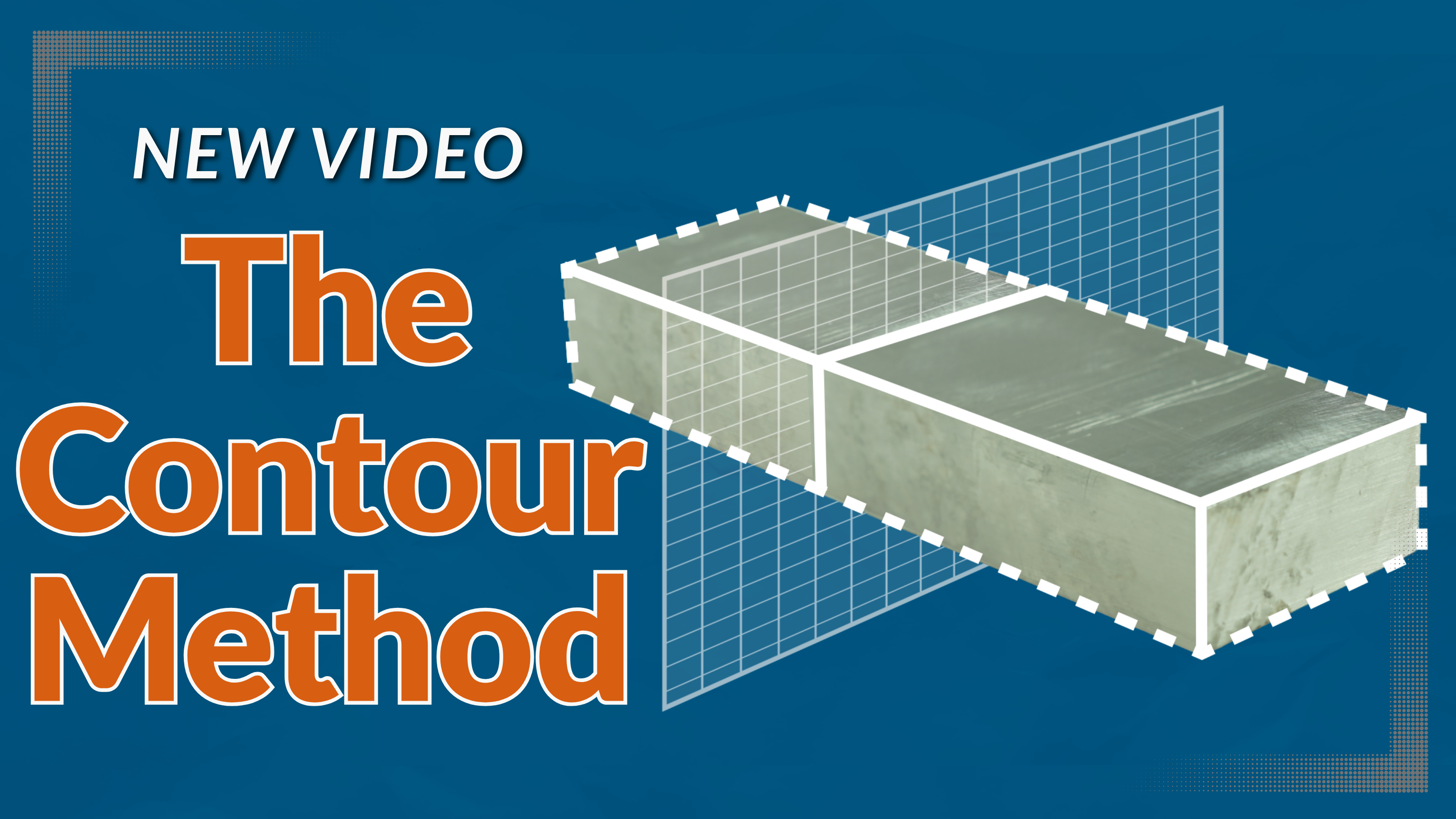
Understanding residual stress is essential to predicting how manufactured components will perform in the real world. To help engineers and manufacturers better understand one of the industry’s most powerful measurement techniques, Hill Engineering has released a new video exploring the Contour Method for residual stress measurement in detail. The Contour Method provides a two-dimensional map…
-
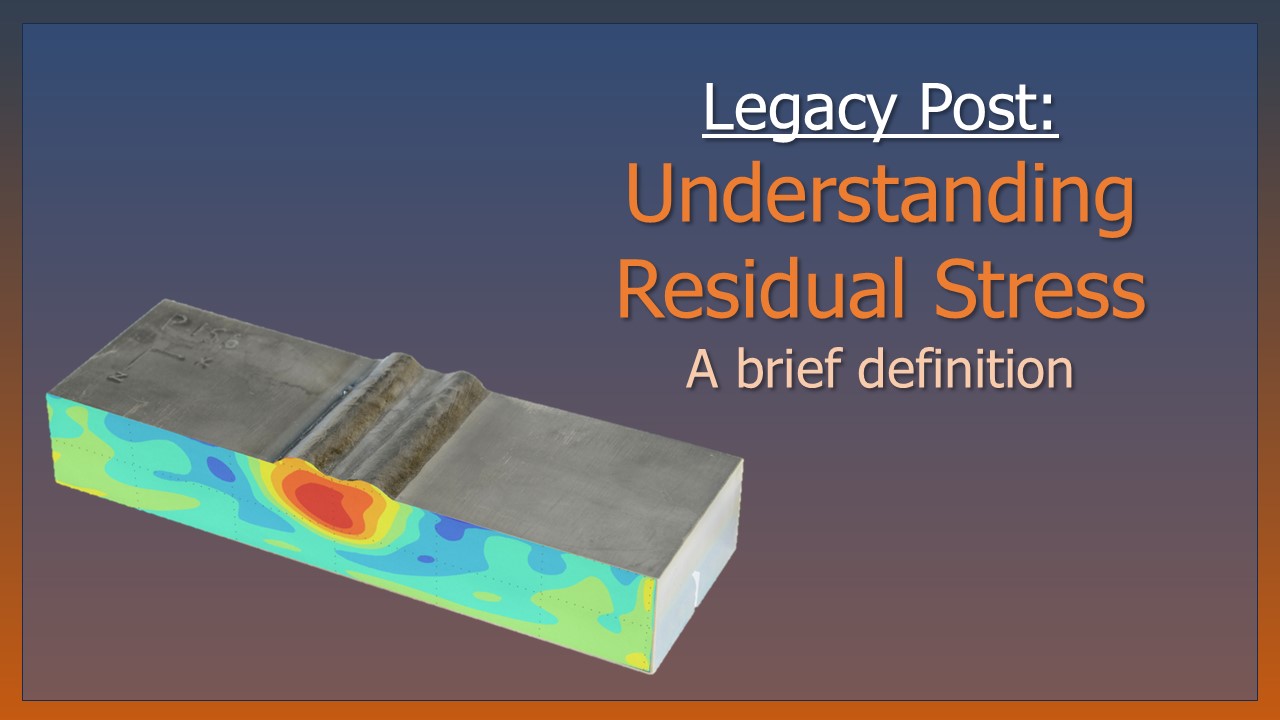
Residual stress definition – residual stress is defined as the stress that is present in a material in the absence of externally applied loading. Residual stresses often form during manufacturing and are typically an unintentional byproduct of a manufacturing process. As engineers we care about residual stresses because they affect material performance. Because they are…
-
Later this year, RTX and Hill Engineering will each be hosting small groups of engineers from the other’s organization to provide experiential training courses to give additional insight into the work each does and the impact on engineered products. We look forward to meeting with everyone in the coming months. Below are short descriptions of…
-
Last year (2017), Hill Engineering opened a satellite office in Layton, UT with the goal of better connecting with our customers and partners in the local area. Mike and I recently made a trip out to the office to check in and to spend some time working with our excellent team there to better understand…
-

The annual Bruce Anderson Golf Tournament returned to Schneider’s Riverside Golf Course, just outside Hill Air Force Base, on July 15, bringing together folks from Hill Engineering and the community for a day of friendly competition and remembrance. Held each year in honor of the late Bruce Anderson, a former member of the Hill Engineering…
-
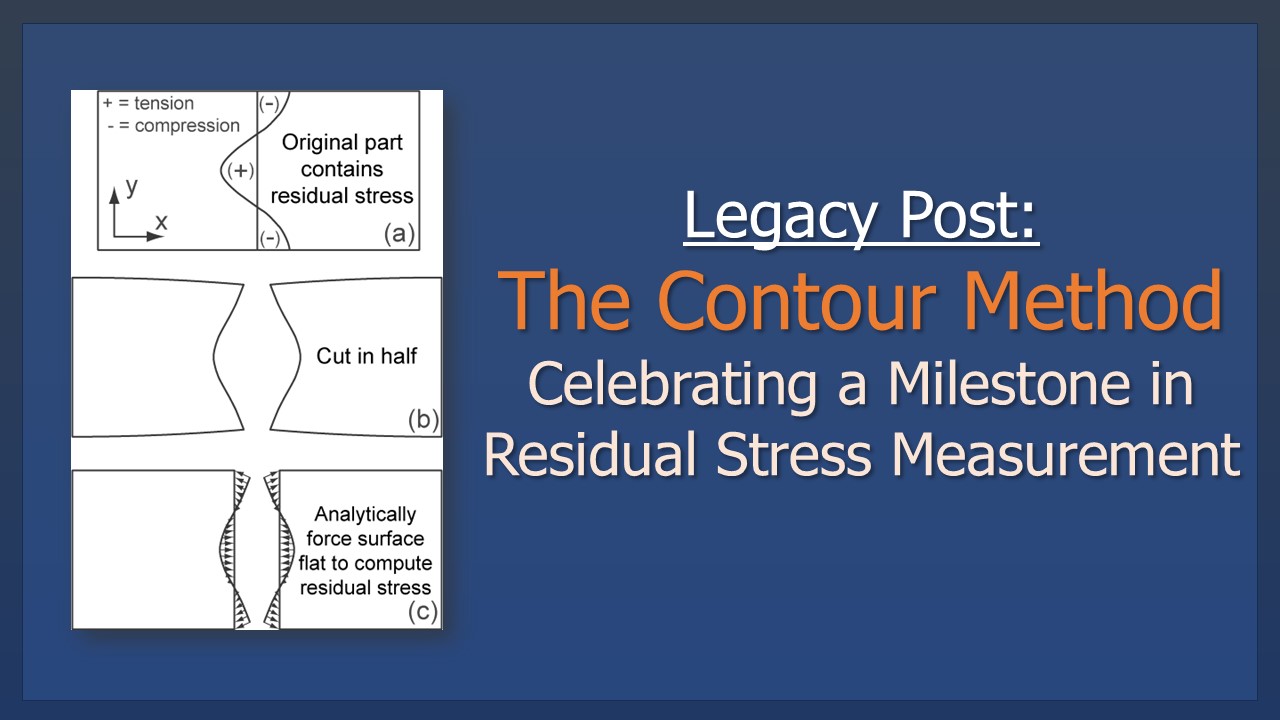
This week we mark a major milestone in the field of residual stress measurement. The contour method, one of the most useful and advanced residual stress measurement techniques, was first successfully implemented on August 16th, 1999 by Mike Prime at Los Alamos National Laboratory. The most significant feature of the contour method is its ability…
