
Tag: fatigue analysis
-

Legacy Post: A Closer Look at Fracture Surfaces (May 2018)
We’ve previously talked about fracture surfaces created as a result of material fatigue. Through fatigue tests, we are able to create a typical loading cycle on a test specimen to see how the number and magnitude of cycles affects the growth of cracks. After the test, we can analyze the fracture surface to see how…
-

Legacy Post: HE at Pipeline Pigging & Integrity Management Conference (Feb 2018)
Hill Engineering gave a presentation about fatigue analysis of pipelines at the 2018 Pipeline Pigging & Integrity Management (PPIM) Conference in Houston, TX. PPIM is the industry’s only forum devoted exclusively to pigging for maintenance and inspection, as well as pipeline integrity evaluation and repair. Hill Engineering’s presentation, titled “Is the Paris Fatigue Crack Growth…
-
Legacy Post: A Visit to Utah (April 2018)
Last year (2017), Hill Engineering opened a satellite office in Layton, UT with the goal of better connecting with our customers and partners in the local area. Mike and I recently made a trip out to the office to check in and to spend some time working with our excellent team there to better understand…
-

Legacy Post: Fatigue Testing Explained: How Engineers Evaluate Material Performance and Durability (Mar 2018)
Fatigue tests are an important part of our work at Hill Engineering. There are many reasons to perform fatigue tests including: 1) qualifying the performance of parts for production, 2) ranking and optimizing different production processes, 3) validating fatigue analysis results and associated models, 4) understanding the performance of parts already in service, and more.…
-
Legacy Post: Fatigue Crack Growth Rate Data Fitting (Sep 2017)
LEGACY POST: Hill Engineering is presenting about material data and fitting processes for fatigue property assessment at the AFGROW Users Workshop 2017 in Layton, UT. The purpose of the workshop is to provide a forum for users to share ideas, demonstrate how AFGROW is being used for practical cases, and discuss future development. Hill Engineering’s…
-
Legacy Post: USAF Damage Tolerance Design Philosophy
In the early days of aviation, the concept of fatigue life was not a prime consideration in design. Aircraft did not typically have a long service life and were designed based on ultimate strength. Early aircraft failures occurred due to component/system failures, combat damage, and pilot error. Aircraft did not typically last long enough for…
-
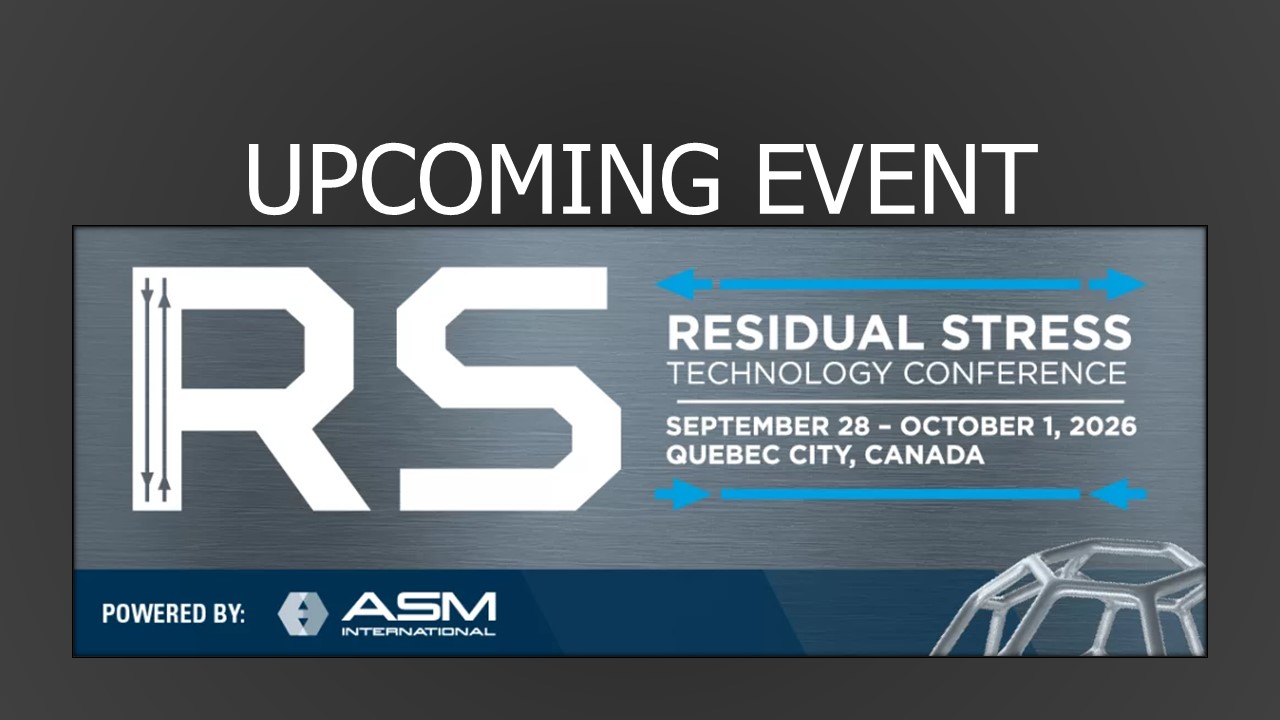
Hill Engineering Looks Ahead to Residual Stress Technology Conference 2026 in Quebec City
Hill Engineering is looking forward to the Residual Stress Technology Conference 2026, taking place September 28 through October 1 in Quebec City, Canada. This dynamic event brings together engineers, researchers, and industry leaders to explore the latest advances in residual stress science and their impact on material performance. RSTC 2026 marks an important evolution in…
-

Legacy Post: How Tensile Testing Works: A Brief Introduction to Material Strength Testing (Aug 2017)
A tensile test is a standard method used by material scientists and engineers to determine important material strength and ductility properties. For example, tensile tests can be used to measure the yield strength of a material, which is defined as the stress at which a material begins to deform plastically. Hill Engineering has ample experience…
-
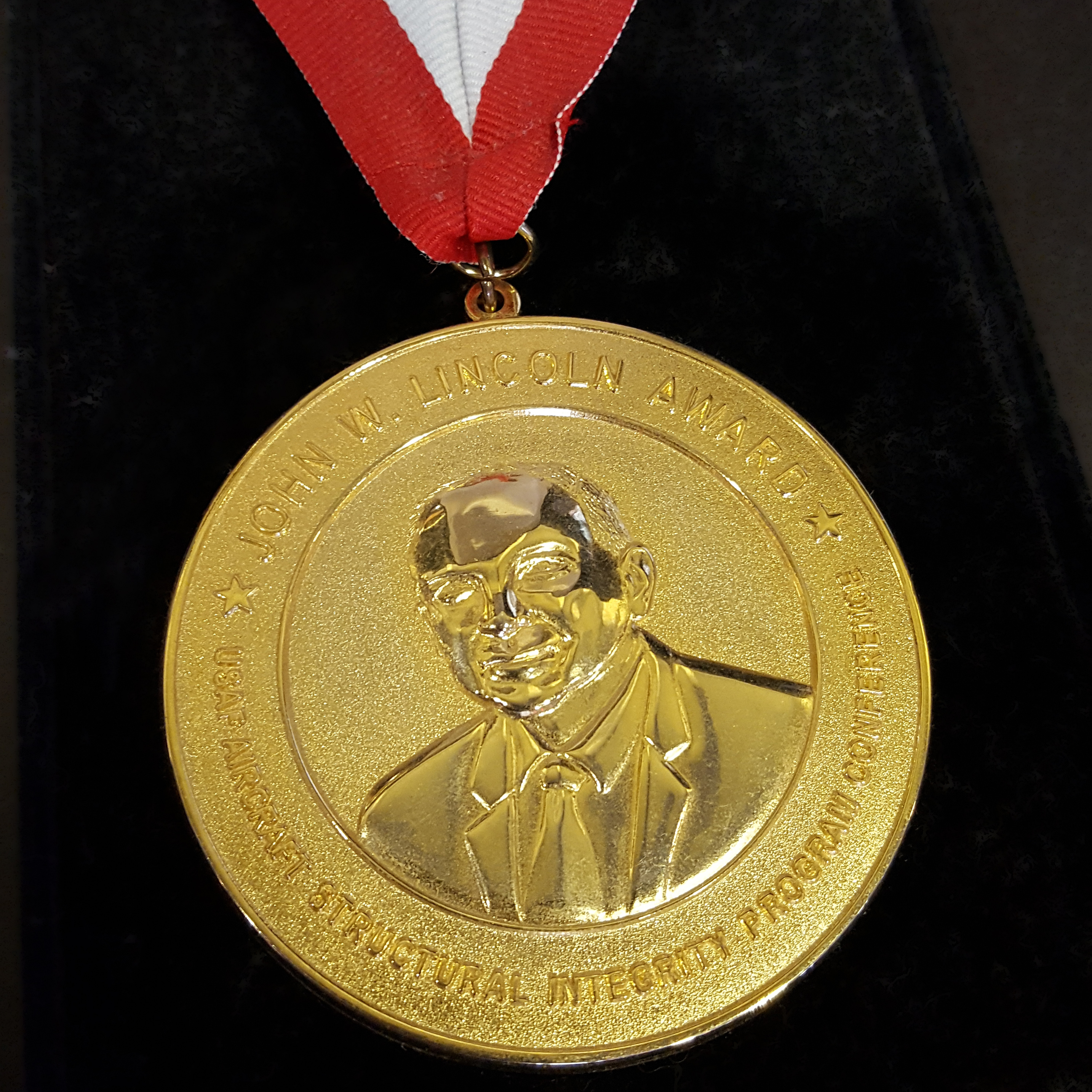
Legacy Post: Lincoln Award (July 2017)
The Lincoln Award is named in honor of Dr. John W. (Jack) Lincoln, the U.S. Air Force’s first Technical Advisor for Aircraft Structural Integrity. An internationally recognized expert in structural integrity, fatigue analysis, and aviation safety, Dr. Lincoln is credited with developing the Aircraft Structural Integrity Program (ASIP) that is now institutionalized throughout the Air…
-
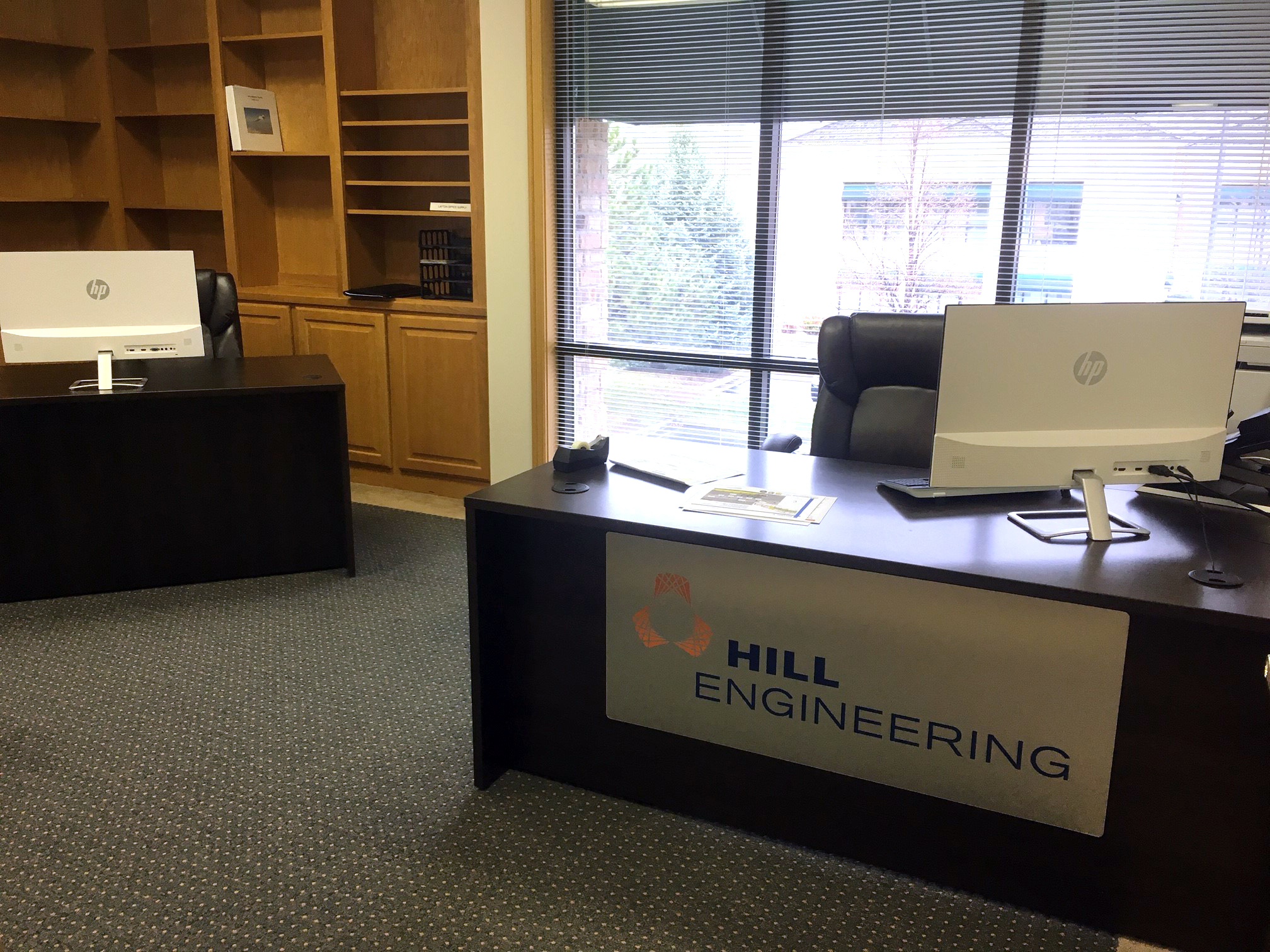
Legacy Post: Hill Engineering opens Utah Office (Jun 2017)
Hill Engineering, LLC, answering strong demand for its aircraft structural integrity, fatigue analysis and design, and residual stress engineering services, has opened a satellite office in Layton, UT. This new office will allow Hill Engineering to better connect and collaborate with our customers and partners in the local area and the broader aerospace community. Our…