
Tag: fatigue analysis
-
Legacy Post: 2016 Highlights at Hill Engineering (Jan 2017)
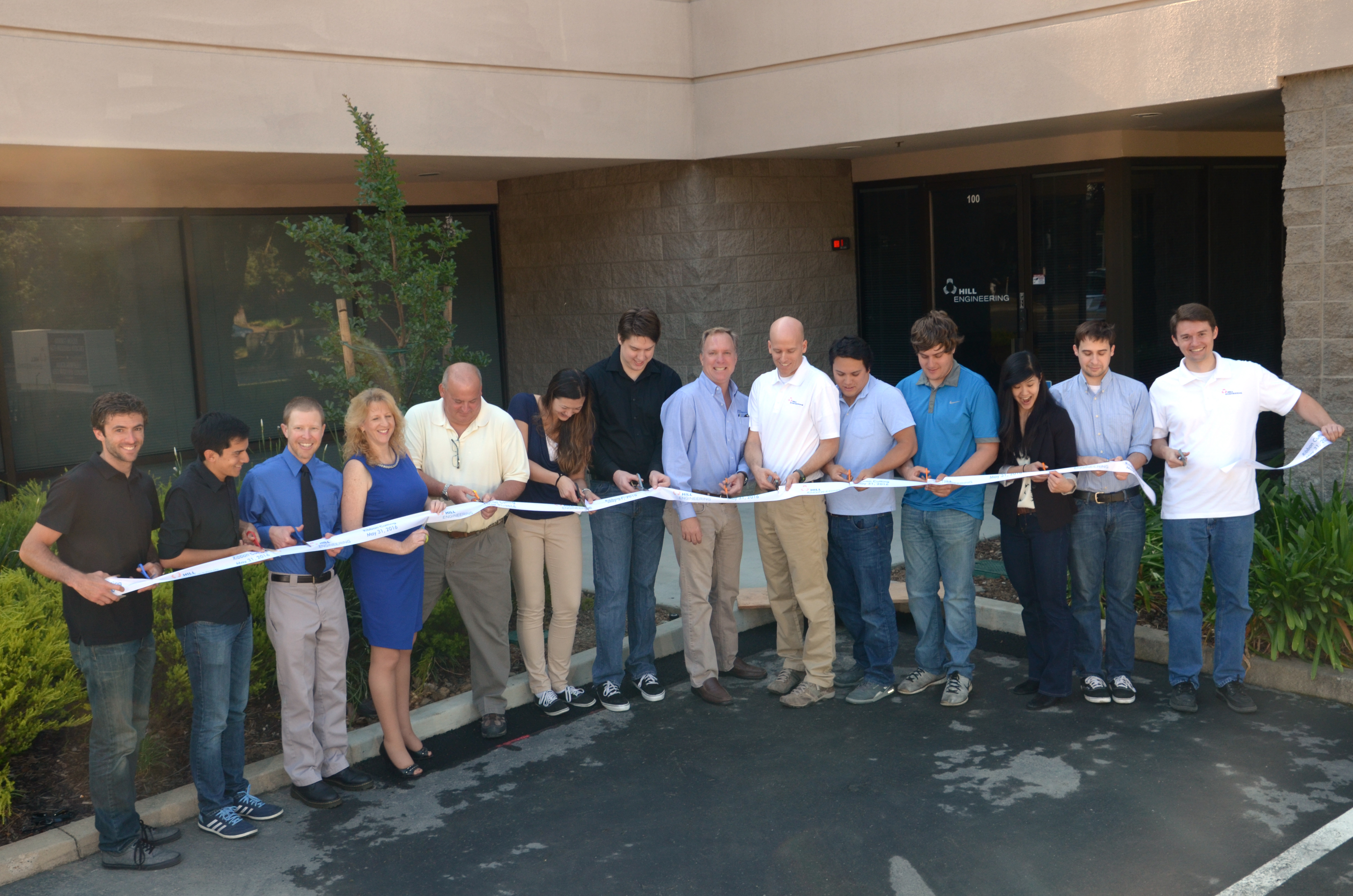
2016 was an exciting year at Hill Engineering. We accomplished so much and we wanted to take a moment to recognize some of the highlights. Early in the year, we were in the middle of Hill Engineering’s largest ever facilities planning/construction project. We had just selected our new office location and needed to plan and…
-

Legacy Post: Hill Engineering’s Internship Program (Aug 2016)
Every summer, Hill Engineering hires university students as interns; aiming to give them insight into industry jobs and provide them with the experience they’ll need to develop their careers post-graduation. We pride ourselves on involving interns in projects which utilize and further explore the concepts they have learned in school. In the past, we’ve had…
-
Legacy Post: Understanding Fatigue Analysis for Structural Durability (Apr 2017)
Fatigue is a material failure mechanism whereby repeated sub-critical loads nucleate and grow cracks that can ultimately lead to failure of a structure. Hill Engineering routinely performs fatigue analysis to quantify and predict fatigue performance of materials. State-of-the-art fatigue analysis is subdivided into categories, including durability (crack initiation) or damage tolerance (crack growth). The appropriate…
-
Legacy Post: Fracture surfaces evaluation
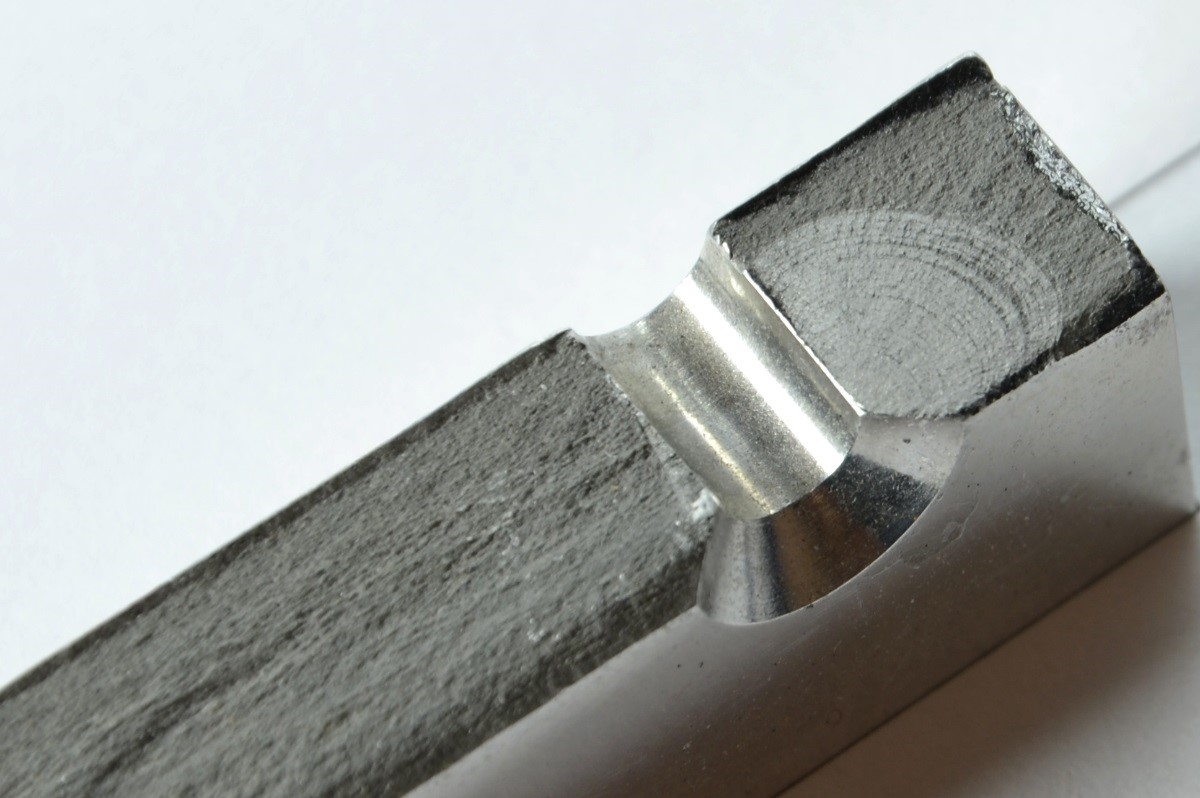
Aircraft undergo complex loading during their operation and lifecycle. For example, take off, landing, turbulence, and flight/ground maneuvers are all instances where significant loading occurs. The cyclic loading and unloading activates a failure mechanism called fatigue, which is most prevalent at the highest stressed regions. Many aircraft are assembled using riveted construction, whereby small holes…
-
Legacy Post: Residual stress analysis (Oct 2016)
Material fabrication processes like forging, rolling, extrusion, quenching, additive manufacturing, machining, and welding lock spatially varying residual stress fields into structural materials. These residual stresses can influence the way that materials perform (e.g., fatigue, fracture, distortion, and corrosion). Hill Engineering has developed expertise to support many different types of residual stress analysis, which we apply…
-
Legacy Post: AFGROW User Workshop (Sep 2016)
Hill Engineering is presenting about fatigue analysis as part of the AFGROW User Workshop 2016 in Layton, UT. The objective of the workshop is to provide a forum for AFGROW users to exchange information and ideas related to fracture and fatigue. Hill Engineering’s presentation will include a summary of recent work on the formulation and…