-

We’re proud to announce the launch of Hill Engineering’s newly redesigned website — built to provide a clearer, faster, and more intuitive experience for our customers and partners. Our new site reflects what we do best: innovative residual stress engineering grounded in precision and expertise. Visitors will now find our content better organized and easier…
-

Fatigue is a material failure mechanism whereby repeated sub-critical loads nucleate and grow cracks that can ultimately lead to failure of a structure. Hill Engineering routinely performs fatigue analysis to quantify and predict fatigue performance of materials. State-of-the-art fatigue analysis is subdivided into categories, including durability (crack initiation) or damage tolerance (crack growth). The appropriate…
-
Hill Engineering was recently asked to perform a residual stress measurement on a tube specimen in accordance with EN2718, which defines the calculation of circumferential residual stress in circular tubes with a ratio D/a ≥ 10, where D is the tube outer diameter and a is the tube wall thickness. Before splitting the tube section…
-
Hill Engineering is presenting about advanced manufacturing methods and their effects on residual stress at the upcoming 2017 AeroMat Conference in Charleston, SC. The event is organized by ASM International and is hosted by Arconic. Hill Engineering’s presentation will include a summary of recent programs where we evaluated the residual stress from a variety of…
-

Hill Engineering recently collaborated with the Worcester Polytechnic Institute Integrative Materials Design Center to publish an article in International Journal of Fatigue, titled Fatigue crack growth mechanisms in similar and dissimilar aluminum friction stir welds: Residual stress, microstructure, and microhardness effects. The results of this work can be used to inform design decisions to improve…
-
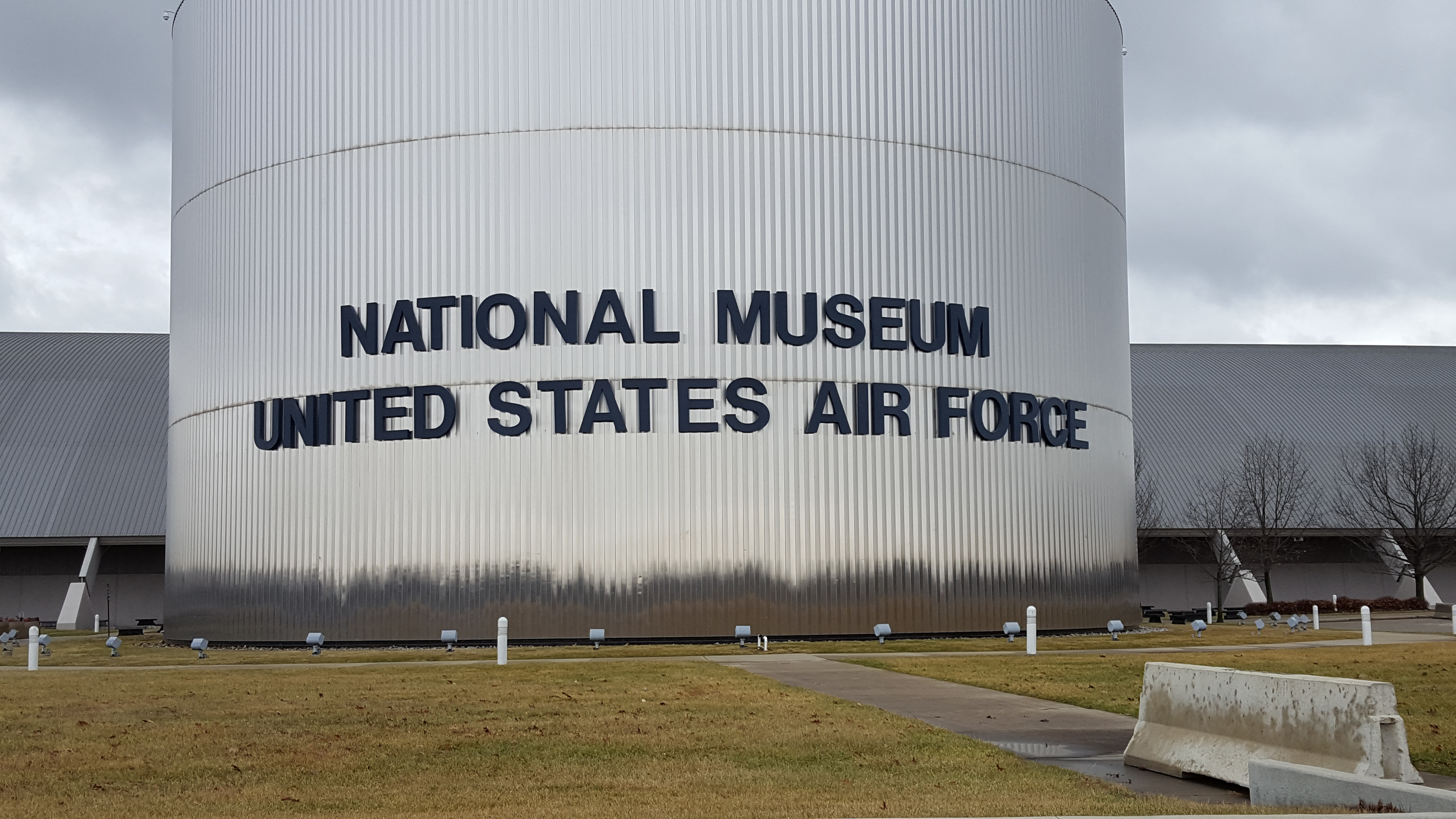
Recently, some members of Hill Engineering visited the National Museum of the US Air Force in Dayton, Ohio. With more than 360 aircraft and missiles in house, the museum is the largest military aviation museum in the world. Because of our aerospace and mechanical engineering backgrounds, aircraft represent a special place in our hearts. Of…
-
Hill Engineering recently performed various residual stress measurements on nickel and aluminum specimens to support a project from the Materials & Processes Engineering group at Pratt & Whitney. The results will be presented by Pratt & Whitney at the International Conference on Residual Stress, happening October 20-23, 2025, in Detroit, MI. If you are planning…
-
Maintaining the high quality of our work is our top priority. That’s why it’s important that our office environment promotes efficiency and qualitative communication here at Hill Engineering. From a project’s inception until its close, we strive to keep a workflow that handles our customer’s needs with consistent attention and care. At the moment a…
-
After a busy summer filled with high-temperature residual stress measurements, the Hill Engineering team took some time to relax and recharge with a well-deserved pool party. Nothing beats cooling off in the water after long days in the lab, and this year’s gathering gave us the perfect chance to enjoy some sunshine and spend quality…
-
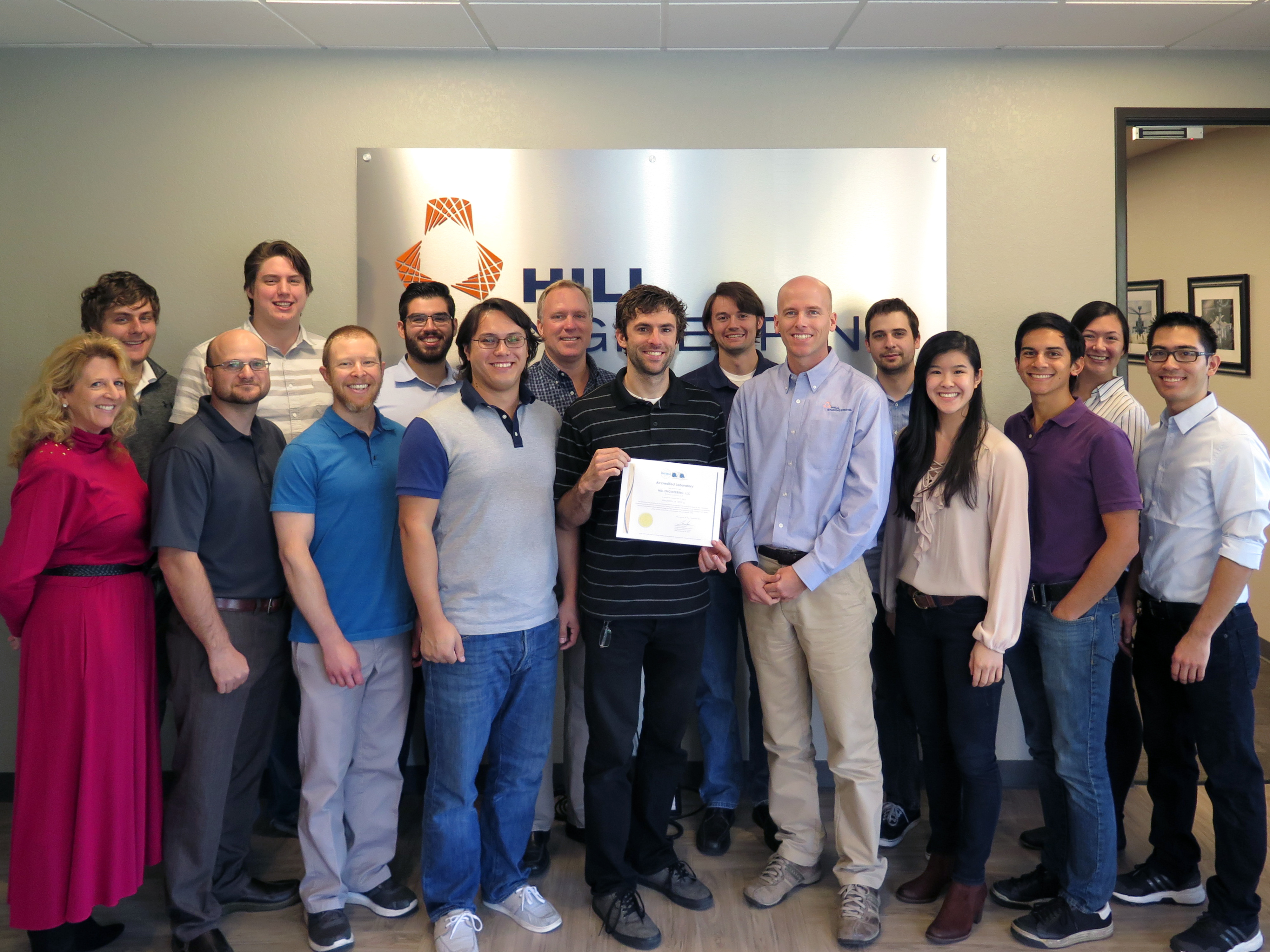
As was previously discussed, Hill Engineering was recently awarded ISO17025:2005 accreditation for our Quality System. Developing a Quality System that is compliant with ISO is a significant effort, and at Hill Engineering we took it as an opportunity to improve the quality and documentation of our laboratory residual stress measurement services. Here’s a look back…
